By Miss Kayla Durant. Registered Physiotherapist
Recovering from surgery can be demanding, particularly when pain, swelling, or stiffness limit your ability to move comfortably. In the early stages of rehabilitation, some patients may be introduced to a Continuous Passive Motion (CPM) machine.
A CPM machine is designed to gently move a joint through a controlled range of motion without requiring muscle effort from the patient. It is commonly used following specific orthopaedic procedures to help support healing during the initial recovery period.
This article outlines what CPM machines are, how they function, and what you can realistically expect if one is included in your post-surgical care.
What Is a CPM Machine?
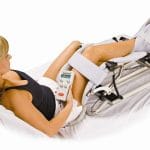
A Continuous Passive Motion (CPM) machine is a powered device that gently moves a joint back and forth through a controlled range. It is most often prescribed for the knee, though it can also be adjusted for use on the hip, shoulder, elbow, or ankle.
The movement is completely passive, meaning the machine does all the work while your muscles stay relaxed. You remain in a comfortable position as the device slowly guides the joint through bending and straightening motions.
Why Are CPM Machines Used After Surgery?
After surgery, joints can become stiff due to swelling, pain, or scar tissue formation. CPM machines are used to:
- Encourage early movement
- Help maintain or improve joint flexibility
- Reduce stiffness after surgery
- Promote circulation, which supports healing
They are often introduced shortly after surgery, sometimes within the first day, depending on your surgeon’s or physiotherapist’s recommendations.
Common Surgeries Where CPM May Be Used
CPM machines are most often prescribed after:
- Knee replacement surgery
- Knee ligament reconstruction (such as ACL surgery)
- Cartilage repair procedures
- Some fracture repairs involving joints
It is important to note that CPM is not required for every surgery. Its use depends on the type of procedure, your individual needs, and current clinical guidelines.
What Does Using a CPM Machine Feel Like?
Most people report that the movement feels smooth and controlled. In the beginning, the machine is set to a limited range to prioritise comfort. As your tolerance improves, the degree of movement can be slowly increased. You should notice a gentle stretch rather than sharp or worsening pain, and any discomfort can be managed by adjusting the settings. Depending on your treatment plan, CPM sessions may range from around 30 minutes to several hours each day.
Benefits: What Does the Evidence Say?
Studies on the effectiveness of CPM machines show varied outcomes, and their usefulness can differ from person to person. Possible benefits may include:
- Encouraging early joint movement
- Helping ease stiffness
- Building confidence with movement shortly after surgery
It is important to note that CPM machines do not replace active rehabilitation. Long-term recovery relies on exercises prescribed by a physiotherapist, where you actively move and strengthen the joint and surrounding muscles.
Are There Any Downsides?
Although CPM machines are generally considered safe, there are some limitations to be aware of:
- They may not provide significant long-term improvements for all patients
- Relying solely on passive movement may slow progress if active exercises are delayed
- Some individuals find extended use uncomfortable or impractical
For these reasons, CPM machines are usually used as a supportive tool alongside physiotherapy, rather than as a substitute for active rehabilitation.
The Role of Physiotherapy
Physiotherapy is a key part of the recovery process. Your physiotherapist will:
- Evaluate your movement, strength, and functional ability
- Guide you through safe, active exercises tailored to your stage of healing
- Adjust and progress your rehabilitation as your recovery improves
- Determine whether the use of a CPM machine is suitable for your needs
CPM can be viewed as a complementary aid, while physiotherapy forms the core of rebuilding strength, control, and confidence in movement.
Final Thoughts
Continuous Passive Motion machines may offer benefits during the early stages of recovery for certain patients, particularly by easing stiffness and promoting gentle joint movement. Their greatest value comes when they are used appropriately and alongside an active rehabilitation plan.
If a CPM machine has been recommended for you, or if you are uncertain whether it is suitable, it’s important to discuss this with your surgeon or physiotherapist. An individualised recovery plan helps ensure your rehabilitation is safe, effective and supports a confident return to daily activities.