

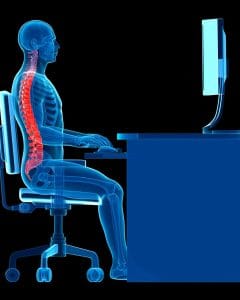
By Hali Goddard, Registered Occupational Therapist
When you hear “ergonomics,” you might think of adjusting an office chair or monitor. While that’s part of it, ergonomics is much more. It’s the science of designing workspaces, tools, and tasks to suit the people who use them—reducing strain, improving comfort, and helping you work smarter, not harder.
What Is Ergonomics?
Ergonomics means fitting work to the person rather than forcing the person to fit the work. It applies to every setting—not just offices. Hairdressers spend hours standing, twisting, and using tools that strain shoulders and wrists. Construction workers lift heavy materials, kneel on hard surfaces, and handle vibrating tools, risking back and knee injuries. Even parents lift car seats, bend over cribs, and carry children on one hip, creating similar physical stress.
Why It Matters
Musculoskeletal disorders (MSDs)—injuries to muscles, nerves, and joints—make up nearly 30% of all workplace injuries requiring time off, according to the Bureau of Labor Statistics. These injuries cost businesses billions each year in compensation and lost productivity.
Most are preventable. Common causes include:
Poor body mechanics: bending, twisting, or lifting incorrectly.
Ill-fitting equipment: tools that are too big or small, or workstations positioned too high or low.
Repetitive motions: typing, hammering, or cutting hair without variation.
Awkward postures: prolonged positions that restrict blood flow and fatigue muscles.
Small ergonomic adjustments can significantly reduce these risks.
Who Benefits from an Ergonomic Evaluation?
Everyone does—but especially those experiencing pain, fatigue, or discomfort linked to their work. People who perform repetitive tasks, lift heavy objects, or work in awkward positions benefit most. Evaluations also help individuals returning to work after injury and anyone aiming to prevent issues before they begin.
The benefits include:
Reduced pain and injury risk
Improved productivity and energy
Less fatigue
Greater comfort and quality of life
Think of ergonomics as preventive maintenance for your body—the equivalent of regular servicing to keep a car running smoothly.
What Happens During an Ergonomic Evaluation?
An ergonomic evaluation is a full check-up for your workspace and work habits. Conducted by an occupational therapist, it assesses how you interact with your environment and identifies stress points that contribute to pain or inefficiency.
The therapist observes you performing typical tasks, analysing posture, movement, and positioning. They may measure desk height, chair settings, monitor level, and tool placement to ensure proper alignment. Equipment is reviewed—does your keyboard force your wrists into strain? Is your chair supporting your spine? Are your tools the right size for your hands?
You’ll also discuss your workflow, pain points, and time spent in different positions. This helps the therapist understand the full picture—combining detective work, design insight, and clinical expertise.
Afterward, you’ll receive personalised recommendations, which might include:
Adjusting workspace layout to reduce reaching and twisting
Repositioning tools or equipment
Suggesting ergonomic chairs, footrests, or anti-fatigue mats
Teaching safer lifting and movement techniques
Sometimes the solution is simple—like using a box as a footrest or repositioning frequently used items. The goal is not just comfort, but sustainability—helping your body move efficiently day after day.
The Bigger Picture
Ergonomics isn’t about expensive equipment; it’s about awareness. A few small changes—setting your chair height so feet rest flat, raising screens to eye level, alternating sitting and standing, or taking brief stretch breaks—can prevent long-term strain and fatigue.
It’s just as relevant at home as at work. Whether you’re typing at a desk, cleaning, gardening, or caring for a child, good posture and positioning protect your body from cumulative stress.
The best time to think about ergonomics is before pain begins. Early awareness prevents chronic conditions from developing later.
What’s Next?
Your body is your most valuable tool. Taking care of it means being intentional about how you move, lift, and sit every day.
Start by observing your habits—notice how you position your neck, shoulders, and wrists. Then, make one or two small adjustments. Over time, these changes add up to big results in comfort, health, and productivity.
Watch for Part 2, where we’ll share simple, practical ways to optimise your workstation—whatever it looks like.When you hear the word “ergonomics,” you might picture someone adjusting an office chair or positioning a computer monitor. While that’s certainly part of it, ergonomics is much more than fancy desk setups for office workers. It’s a science that applies to virtually every activity we do—and understanding it could be the key to preventing pain, injury, and long-term damage to your body.
What Exactly Is Ergonomics?
Ergonomics is the science of designing and arranging workspaces, tools, and tasks to fit the people who use them. The goal is simple: make work safer, comfortable, and efficient by reducing strain on your body.
Here’s what many people do not know: ergonomics applies to every type of work and activity. Consider hairdressers who spend hours standing, raising their arms overhead, twisting their necks, and gripping scissors or blow dryers. These repetitive motions in awkward positions can lead to shoulder, neck, and wrist problems. Construction workers lift heavy materials, work in cramped spaces, kneel on hard surfaces, and use vibrating power tools—all recipes for back injuries, knee problems, and repetitive strain injuries. Even parents spend countless hours carrying children on one hip, bending over cribs, nursing or bottle-feeding in awkward positions, and lifting car seats that weigh as much as a small boulder.
The Numbers Don’t Lie
The statistics around work-related injuries are sobering. According to the Bureau of Labor Statistics, musculoskeletal disorders (MSDs)—injuries to muscles, nerves, tendons, joints, and related structures—account for approximately 30% of all workplace injury and illness cases requiring days away from work. The Occupational Safety and Health Administration reports that work-related MSDs cost businesses billions of dollars annually in workers’ compensation costs, and they’re among the most commonly reported causes of lost or restricted work time.
The National Institute for Occupational Safety and Health has identified several factors as primary contributors to workplace MSDs, emphasi
sing that many of these injuries are preventable with proper ergonomic interventions. Poor body mechanics top the list. Bending, twisting, and lifting incorrectly puts excessive stress on your spine, joints, and muscles. Inadequate or poorly designed equipment creates problems when tools don’t fit your hand properly or workstations are positioned too high or too low. Repetitive motions—whether clicking a mouse, hammering nails, or cutting hair—create cumulative trauma to tissues over time. Finally, awkward and sustained positions restrict blood flow and strain muscles and joints, especially when held for extended periods.
Who Benefits from an Ergonomic Evaluation?
The short answer? Everyone. The longer answer is that you’ll especially benefit if you’re experiencing pain, discomfort, or fatigue related to your work or activities. Those who perform repetitive tasks regularly, work in jobs requiring awkward positions or heavy lifting, or are returning to work after an injury will find particular value. But perhaps most importantly, ergonomic evaluations benefit those who want to prevent problems before they start.
The benefits of ergonomic interventions are substantial. You’ll likely experience reduced pain and discomfort, decreased risk of injury, improved productivity and efficiency, less fatigue at the end of the day, and better overall quality of life. Think of ergonomics as preventive maintenance for your body. You change your car’s oil to prevent engine damage; ergonomics prevents your body from breaking down from daily wear and tear.
What Happens During an Ergonomic Evaluation?
An ergonomic evaluation is like a comprehensive health check for your workspace and work habits. When an occupational therapist conducts an evaluation, they’re looking at the complete picture of how you interact with your environment.
The professional will observe you performing your typical tasks, paying close attention to your posture, movements, and positioning. They’ll measure your workspace dimensions—desk height, chair adjustments, monitor placement, and tool positioning. They’ll assess the equipment you use: Is your keyboard forcing your wrists into uncomfortable angles? Are your tools the right size for your hands? Is your work surface at the appropriate height?
But it goes beyond just measurements. The evaluator will ask about your pain points, your workflow, how long you spend in various positions, and what tasks cause you the most discomfort. They’re detective, engineer, and healthcare provider all rolled into one.
After the assessment, you’ll receive personalised recommendations. These might include workspace adjustments like repositioning equipment or rearranging your space to minimise reaching and twisting. Equipment recommendations could suggest ergonomic chairs, specialised tools, anti-fatigue mats, or assistive devices. Sometimes the solution is as simple as using what you already have—a sturdy box as a footrest or repositioning items you use most frequently. Body mechanics training teaches you how to lift, bend, reach, and perform tasks in ways that protect your body.
What’s Next?
Understanding ergonomics is the first step toward a healthier, more comfortable relationship with your work and daily activities. Your body is the only one you get. Isn’t it worth taking care of?
Watch out for Part 2, where we’ll dive into practical tips for optimising your workstation no matter what that workstation looks like.