

By Jaeda Moore, Registered Physiotherapist
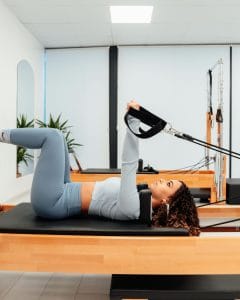
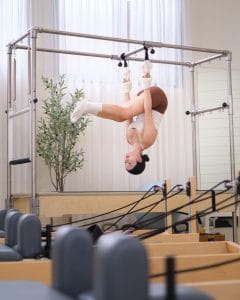
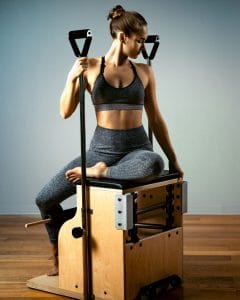
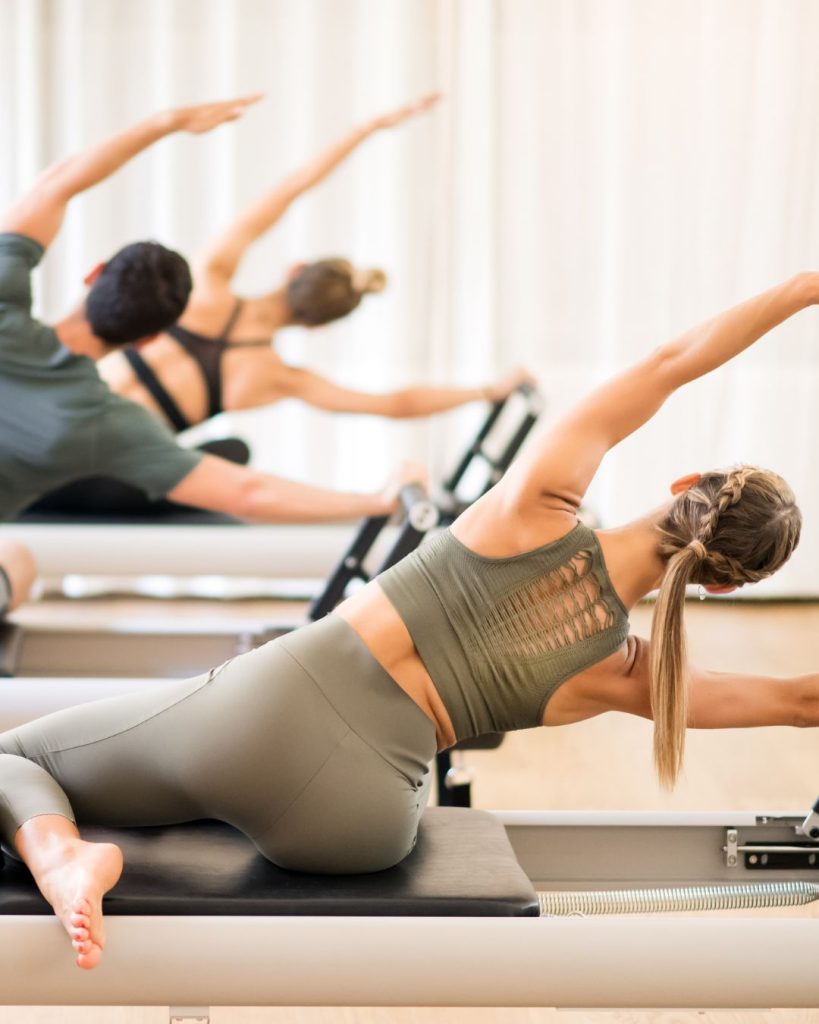
Pilates was developed by Joseph Pilates, a German physical trainer, in the early 20 century during World War 1, while he was interning in Lancaster Castle and the Knockaloe internment camp on the Isle of Man to rehabilitate injured soldiers. It is a low impact exercise method that focuses on core strength, stability, flexibility, posture, and controlled movement with emphasis on precision, breath control, alignment and muscle balance. This type of exercise can be performed on a mat or using specialised equipment such as: a Reformer, Cadillac or Wunda Chair. Pilates is for everyone as there are multiple levels ranging from beginner to intermediate and advanced stages.
Example of a Reformer
Example of a Cadillac
Example of a Wunda Chair
As we explore the benefits of Pilates, we must first understand posture. Posture is the conscious or unconscious position of one’s body in standing, sitting and movement. It involves the position of your spine and its interaction with your musculoskeletal system to maintain balance. Unhealthy posture results in stress on your joints and muscles.
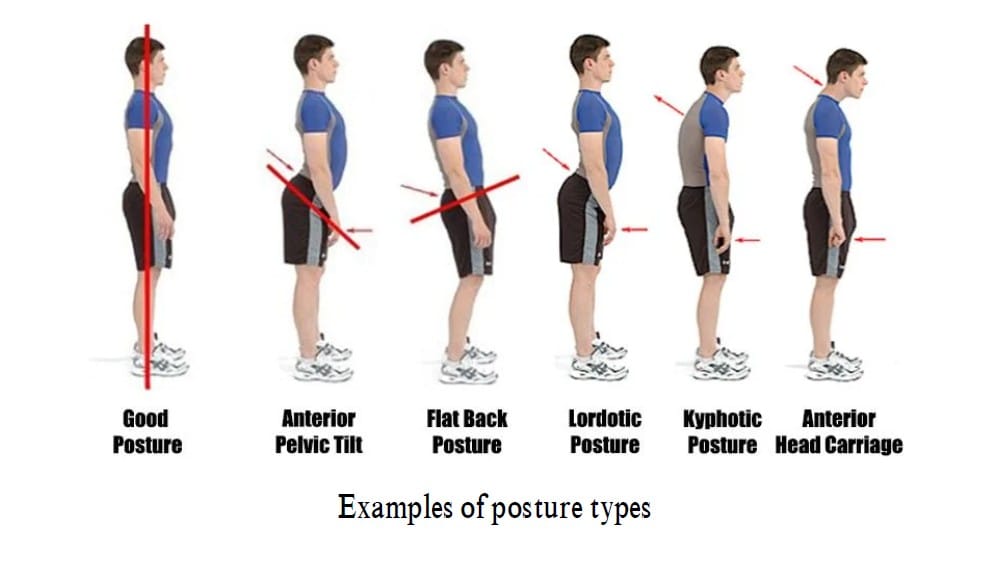
Posture
Poor posture, as seen in increased thoracic kyphosis, which is one of the most common posture types in the population. An imbalance is formed between spine erectors, hip flexors, gluteal and abdominal muscles. This can lead to long term negative effects. Increased and prolonged lumbar spine stress eventually leads to mechanical lower back pain and degenerative changes in the spine’s vertebral bodies, or
intervertebral discs in extreme cases.
The Connection
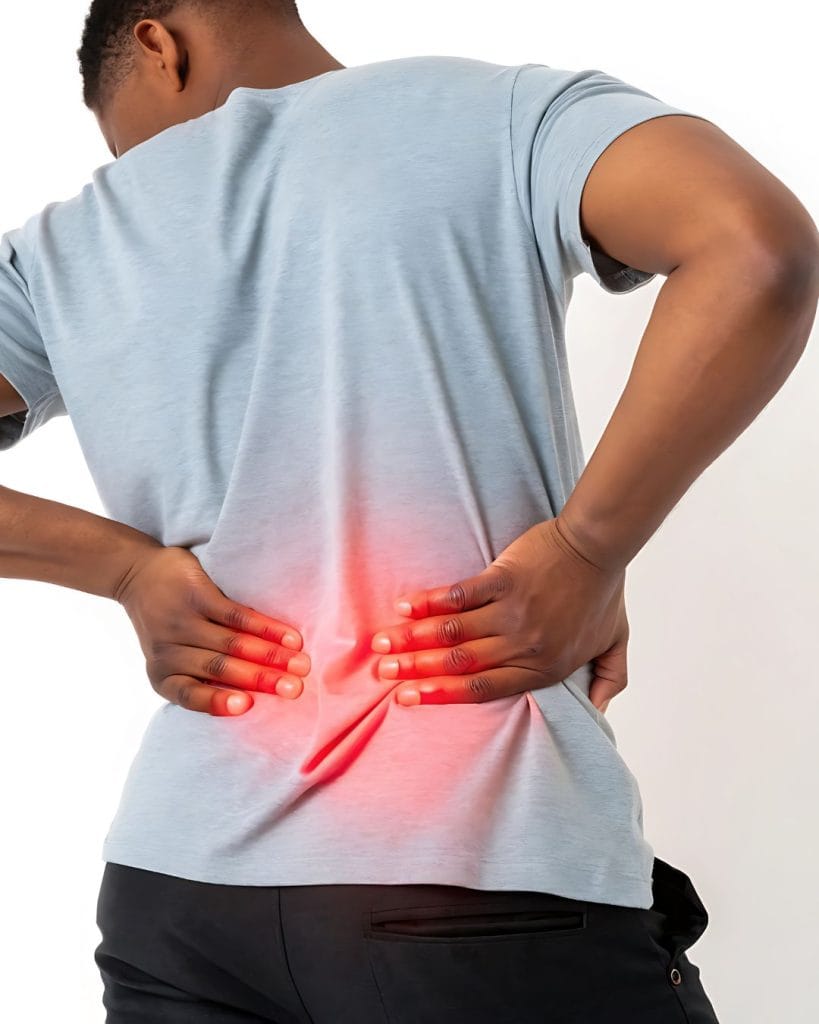
Pilates is a controlled form of exercise that emphasises core stability, body awareness, and alignment, making it highly effective for managing pain and improving posture. By strengthening the deep stabilising muscles of the abdomen, back, and pelvis, Pilates helps support the spine and correct muscular imbalances that often contribute to chronic pain. As mentioned previously, poor posture places uneven stress on joints and soft tissues, leading to discomfort in areas such as the neck, shoulders, and lower back. Pilates targets these imbalances through precise, low-impact movements that retrain the body to move efficiently and symmetrically. It enhances neuromuscular control, improves flexibility, and increases endurance of postural muscles, allowing the body to maintain better alignment during everyday activities. As posture improves, muscle tension and joint strain are reduced, alleviating both acute and chronic pain. Additionally, the mindful breathing and concentration required in Pilates promote relaxation and reduce stress-related pain responses which can result in non-specific lower back pain. Over time, individuals experience greater mobility, balance, and awareness of their body mechanics. Overall, Pilates offers a holistic and non-invasive approach to pain management and postural realignment by combining physical conditioning with mindful movement, helping to restore optimal body function and prevent future discomfort.
Some things to
consider...
Although Pilates is a safe and effective exercise method for improving posture, flexibility, and core strength, certain contraindications and precautions must be considered to prevent injury. Pilates should be avoided in individuals experiencing acute pain, recent fractures, or post-surgical recovery, especially involving the spine, pelvis, or major joints, unless cleared by a healthcare professional. It is also contraindicated for those with unstable medical conditions such as uncontrolled hypertension, severe osteoporosis, or acute disc herniation, as these conditions can worsen with physical strain. People with severe balance disorders or advanced pregnancy complications should avoid unsupervised sessions due to fall or pressure risks. In other cases, Pilates can be safely performed with proper modifications and supervision.
For example, clients with mild back pain or joint instability should focus on maintaining a neutral spine and controlled movements. Pregnant individuals should avoid exercises in a supine position and deep abdominal contractions, while those with neck or shoulder pain should reduce upper-body loading. Older adults may require lower resistance and slower pacing to prevent overexertion. Overall, instructors and therapists should individualize programs to ensure that Pilates is performed within a safe, pain free range, prioritising stability, breathing control, and gradual progression to achieve therapeutic benefits without harm.